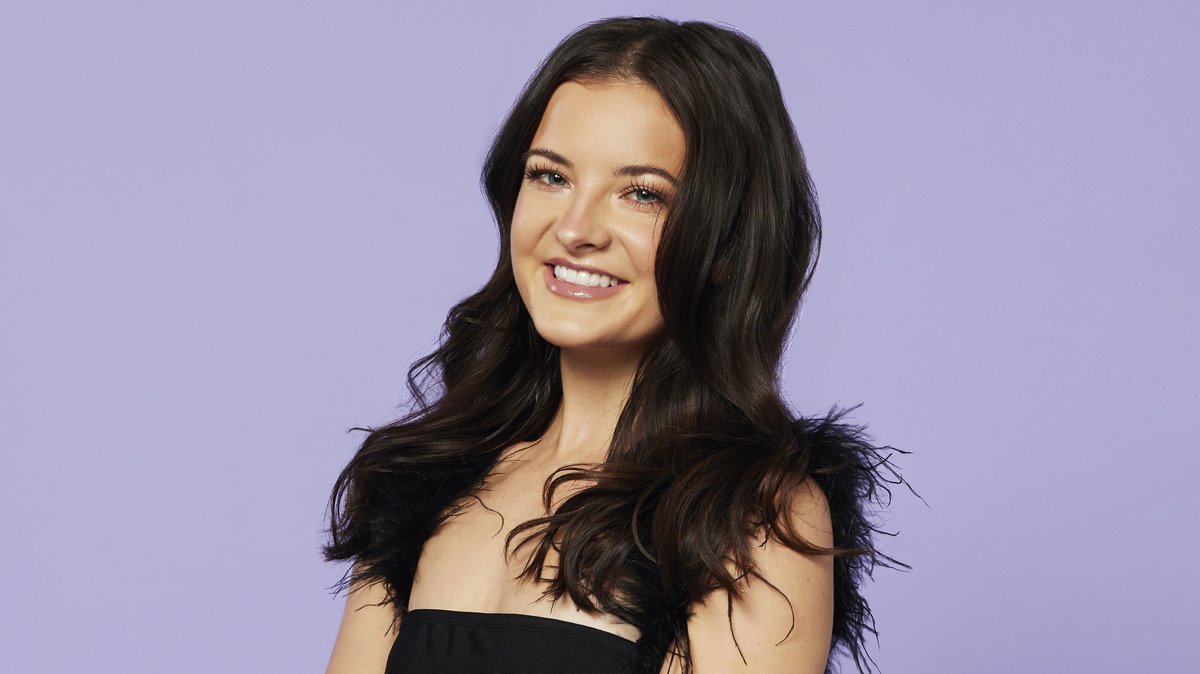
Brooke Hyland's time on Dance Moms was marked by her flexible contortionist skills and acrobatic solos, but with so many performances, it can be hard to remember the highlights. Which routines truly showcased her potential, and which ones fell flat under pressure? This guide ranks Brooke Hyland's dance solos from her time on Dance Moms, offering insights into what made them memorable (or not!).
At a glance:
- Discover which of Brooke Hyland's solos were award-winning and fan favorites.
- Understand the evolution of Brooke's dance style throughout Dance Moms.
- Learn about the behind-the-scenes context that influenced her performances.
- Identify key elements of Brooke's most successful dance routines.
- Get clarity on some common misconceptions about her dance career.
Ranking Brooke Hyland's Solos: The Highs and Lows
Brooke Hyland, known for her incredible flexibility, often performed acrobatic lyrical solos on Dance Moms. These performances were not always consistent with results varying wildly based on choreography, song choice, and Brooke's mindset at the time. Here’s a ranked look at some of her most notable solos:
The Standouts: Brooke's Best Moments
These solos demonstrated Brooke's strengths and are generally considered her best:
- Garden of Eden (Season 2): This acrobatic solo earned Brooke first place at the competition and is considered by many fans and Brooke herself to be one of her favorites. The costuming was beautiful, and the dance showcased her flexibility.
- Pull of the Moon (Season 1): While footage of this particular solo is limited, it earned Brooke first place in the Teen Solo category, suggesting a strong performance. It's hard to provide detailed analysis without seeing the full dance, but the win speaks for itself.
- Stealing the Show (Season 1): This acrobatic lyrical piece highlighted Brooke's abilities early on in the show. It's memorable for demonstrating both her technical skill and artistry.
- Song For Brooke Solo (Season 2): This routine secured first place in the Teen Solo category. It's a well-rounded example of her acrobatic skills and stage presence.
Middling Performances: Solid But Not Spectacular
These solos were decent showings but lacked the "wow" factor of her top routines:
- She's a Fighter (Season 1): A 3rd place finish isn't bad, but this acrobatic lyrical piece didn't quite reach the heights of some of her other solos. While technically proficient, it needed more emotional depth.
- Paint the Pictures (Season 2): The release of this solo as an extra offers a view into Brooke's abilities and how they developed, but it ended up in second place.
- Starry Night (Season 2): This routine landed Brooke in third place in the Teen Solo category. As an acrobatic performance, it was well-executed, but perhaps forgettable.
The Bottom Tier: Performances That Missed the Mark
These solos faced challenges, whether in choreography, execution, or competition:
- Dying to Dance (Season 1): This routine placed 6th in the 12-14 Solo category, which, while respectable, indicates it wasn't a standout performance. Being the "Highest Scoring Acrobatic Solo" provides a small consolation, although.
- Love on the Dance Floor (Season 1): This solo only appeared briefly in Abby's Dance-a-Thon. Receiving fourth place in the 12-14 Solo category suggests it didn't fully connect with the judges.
- Break Me (Season 1): This received fourth place (tied) in the Advanced Teen Solo category. As an Acrobatic Lyrical dance, the piece seemingly failed to provide a deep impact.
Factors That Impacted Brooke's Solo Performances
Several factors played a role in the success or failure of Brooke Hyland's solos on Dance Moms.
- Choreography: Abby Lee Miller's choreography choices significantly influenced Brooke's performance. Solos that showcased Brooke's strengths (flexibility, acrobatic skills) tended to score higher.
- Song Choice: The music selected for a solo can either enhance or detract from the overall impact. Songs that resonated emotionally with Brooke or suited her style generally led to better performances.
- Brooke's Mindset: As Brooke grew older, her interest in dance waned. This lack of passion sometimes translated into less-engaged performances. As mentioned in From Dance Mom to Creator, This shift in focus impacted her overall drive and connection to the routines.
- Competition Level: The talent and experience of other dancers in the competition factored into the final results. A strong field of competitors could make it harder for even a well-executed solo to place high.
Brooke's Dance Style: Acrobatic Lyrical and Contortion
Brooke Hyland primarily specialized in acrobatic lyrical dance, which combined the fluidity and emotional expression of lyrical dance with the impressive feats of acrobatics. She was particularly known for her flexibility and contortion skills, which she often incorporated into her routines. Her training in the ALDC teen company provided her with a strong foundation.
What Made a Brooke Hyland Solo Successful?
Several elements contributed to Brooke's most memorable and successful solos:
- Strong Acrobatic Content: Routines that highlighted her flexibility and acrobatic prowess were generally well-received.
- Emotional Connection: Solos where Brooke connected with the music and conveyed emotion resonated more deeply with the audience and judges.
- Clean Execution: Precise movements and a polished performance were essential for success.
- Unique Choreography: Routines that deviated from the norm and showcased original choreography stood out from the competition.
Practical Playbook: Applying Lessons from Brooke's Journey
Here’s how aspiring dancers and parents can learn from Brooke's experiences:
- Identify Strengths: Focus on developing your (or your child's) natural talents and strengths. What are you naturally good at? Double down on that.
- Seek Versatile Training: A mix of dance styles is important to create flexibility and adapt to contemporary dance expectations.
- Find a Choreographer Who Understands You: Work with choreographers who understand your strengths and can create routines that showcase your unique abilities.
- Nurture a Passion for Dance: Maintain a genuine love for dance by exploring different styles, attending workshops, and setting personal goals. If the passion isn't there, forcing it will only lead to burnout.
- Balance Dance with Other Interests: It’s important to balance dance with other interests and activities to avoid burnout and maintain a well-rounded life. Don't let the pressures of competition overshadow the joy of dance.
Quick Answers: Common Questions About Brooke Hyland's Dance Career
Q: What was Brooke Hyland's favorite style of dance?
A: Acro was her favorite style of dance.
Q: What was Brooke Hyland best known for in her dances?
A: Brooke was best known for her flexibility and contortion tricks. She even dreamed of being in Cirque du Soleil when she was younger.
Q: Why did Brooke Hyland's performances sometimes suffer?
A: As she got older, Brooke lost interest in dance, and that lack of enthusiasm sometimes showed in her performances. Also, the choreography and song choices didn't always highlight her strengths.
Q: What type of solos did Brooke perform?
A: Her Dance Moms solos were usually in the Acrobatic Lyrical genre.
Turn Lessons into Action
Brooke Hyland's dance journey on Dance Moms provides valuable lessons for aspiring dancers and their families. By focusing on individual strengths, seeking versatile training, and maintaining a genuine passion for dance, you can increase your chances of success and avoid the pitfalls that Brooke experienced. Whether you are a dancer, a parent of a dancer, or simply a fan of Dance Moms, Brooke's story is a reminder that success in dance requires talent, hard work, and a genuine love for the art form.
